
File 01 · Fast dirt
Cross-country MTB
Efficient climbing, responsive steering and limited forgiveness. Learn when low weight matters—and when a calmer trail bike is wiser.
Open XC analysisCategory desk / Four files
No single bicycle wins every surface. These reviews decode durable decisions—body position, tyre volume, suspension, cargo, braking and service burden—without inventing model tests or a universal “best”.
Efficient climbing, responsive steering and limited forgiveness. Learn when low weight matters—and when a calmer trail bike is wiser.
Open XC analysis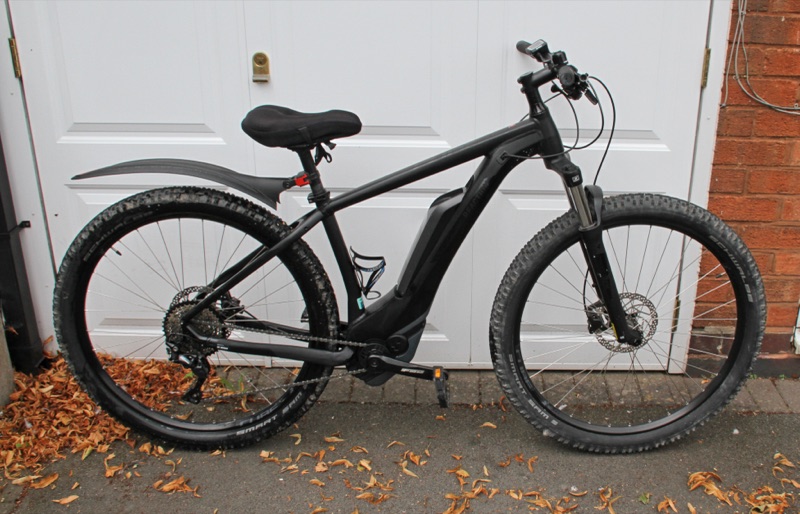
Support changes pacing, not physics. Examine motor feel, battery planning, handling mass, brakes and legal route context.
Open e‑MTB analysis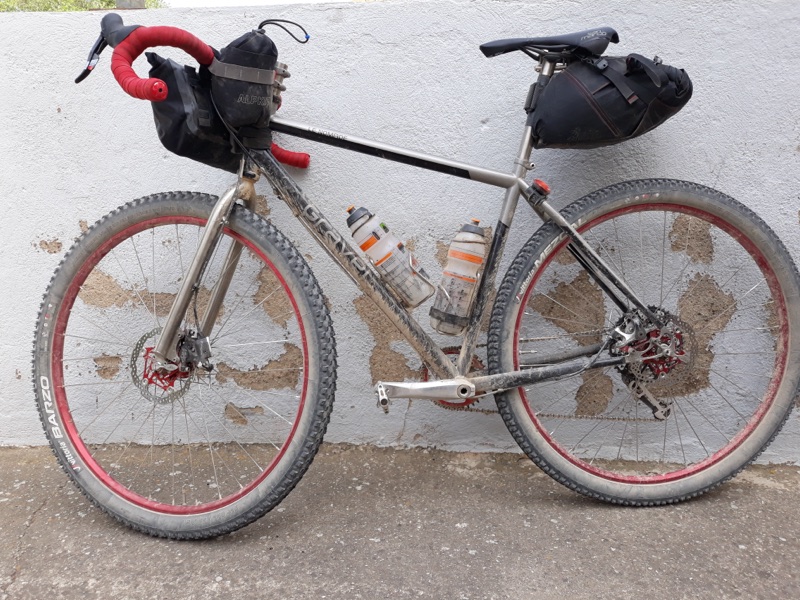
A system review covering tyre clearance, mounting points, bag interference, packing order and wet-weather discipline.
Open bikepacking analysis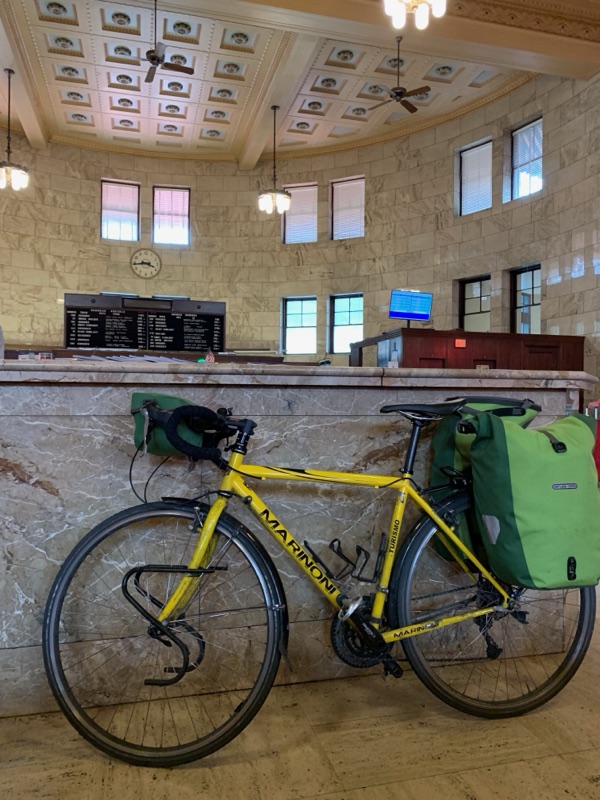
Stable geometry, racks and repairable parts reward patient travel. Compare that strength with weight and rough-trail limits.
Open touring analysisA useful comparison order
Begin with the rider and the recurring route. A premium component cannot rescue an unsuitable position, too little tyre clearance or a gearing range that makes loaded climbing miserable.
Next decision
Read the route dossiers for official planning anchors, surface questions and realistic exit strategies.