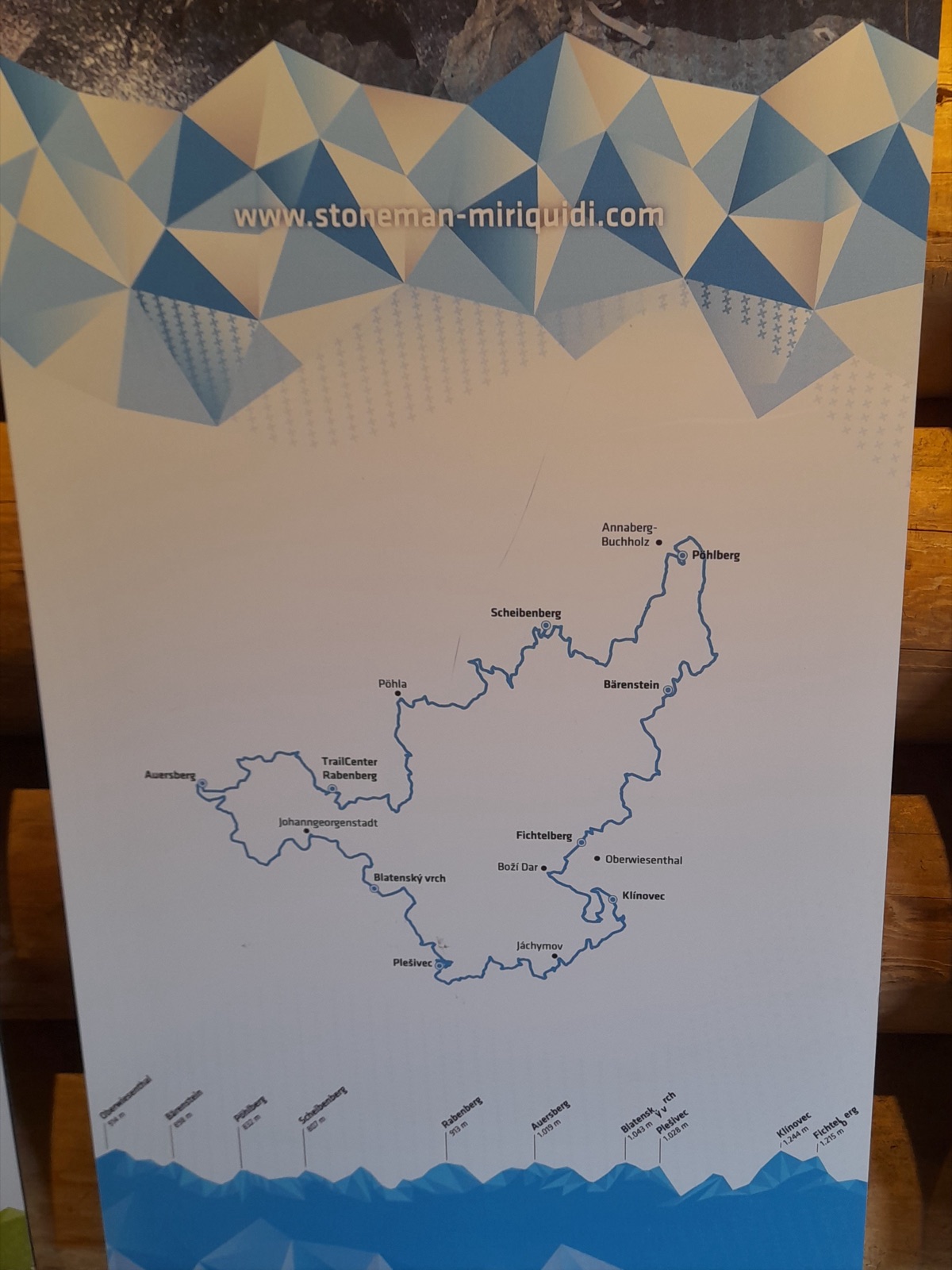
The Stoneman Miriquidi concentrates a substantial workload into a relatively compact circuit. Official material presents 162 kilometres, 4,400 metres of ascent, two countries and nine summits. Those numbers explain why distance is a poor proxy for difficulty. A 60-kilometre day here can carry more climbing and rough-ground fatigue than a much longer lowland ride.
Choose days from evidence
The route’s achievement format can encourage riders to focus on completion time. A better starting point is recent experience: how many metres of climbing can each rider repeat while preserving safe descending judgement? Stage the circuit so that the final technical kilometres are ridden with margin, not under pressure to reach a checkpoint.
Because it is a circuit, several official access points may support different starts; confirm current arrangements through the organiser. Do not infer parking, baggage, registration or transfer services from an old trip report. If participation products or checkpoints matter to you, verify their current rules directly. The landscape can be enjoyed without turning an ambitious schedule into a safety commitment.
Cross-border means two information checks
The line passes between Germany and Czechia. Carry appropriate identification and verify current travel requirements, emergency information and mobile coverage for both sides. The border may feel invisible on the trail, but assumptions about rescue contacts, language or service availability should not be invisible in the plan.
Download the official current route and retain a map that shows towns and roads beyond the narrow GPX corridor. A device reroute can select unsuitable ground if its map profile is wrong. Treat signage as the primary local instruction and the file as a navigation aid, never as permission to cross a closure.
| Layer | Question | Practical action |
|---|---|---|
| Effort | Can ascent be repeated safely? | Choose more days and earlier finishes |
| Border | Are documents and contacts ready? | Save information for both countries |
| Weather | Are summits exposed or cold? | Carry layers and a lower exit |
| Route status | Is the line currently open? | Check operator notices on departure |
A mountain bike is the honest default
A well-maintained mountain bike with suitable tyres, low gearing and dependable brakes is the sound category choice. Whether hardtail or full suspension depends on rider skill, comfort and current route conditions. A light cross-country bike rewards the climbing, while rear suspension can reduce fatigue and improve control over repeated roughness.
An e‑MTB adds a separate energy and access plan. Confirm how the current route treats assisted bicycles, estimate range from comparable ascent and temperature, and know where charging is genuinely authorised. The bicycle’s extra mass matters if a closure or obstruction requires carrying.
Ore Mountain weather can rewrite the day
Summit exposure, wind and rain can turn a planned stage into a slower and colder ride. Check conditions at elevation, not only at the overnight location. Carry insulation and waterproof protection that remains accessible without unpacking the whole bicycle. Thunder, deteriorating visibility or storm damage are reasons to descend on a known safe option.
Water and food planning should include delays. An official highlight or checkpoint is not proof of an open business. Confirm services directly and start with enough capacity to bridge a closure. Keep a small reserve separate from routine snacks.
Protect judgement on the final descent
Fatigue changes line choice and braking. Schedule demanding sections earlier where possible, pause before long descents and inspect brakes and tyres each morning. A slower rider should never be pushed into descending alone to preserve a timetable. The group stays together at decision points, not merely at the accommodation.
A better definition of completion
The Stoneman Miriquidi is a coherent mountain journey, not just a tally of summit points. Completing it well means keeping enough attention to read signs, share trails and make a safe decision late in the day. Choose a schedule that leaves room to experience the circuit rather than race its identity.